Why the Web Version of Phantom Feels Like the Missing Piece for Solana Dapps
Whoa, this is wild. The first time I opened a Solana dapp in a browser and connected a web wallet, somethin’ clicked. My instinct said this is finally usable for regular people. At first I thought desktop extensions were enough, but then I realized browser-native web wallets actually lower the biggest friction points for collectors and builders. Longer context matters here, because the ecosystem’s growth isn’t just about speed or fees — it’s about how easy it is for someone to sign up, feel secure, and actually buy that NFT without a tech degree.
Seriously? Yep. Browsers have always been the front door for the web. Medium-level friction, like installing an extension or importing a seed phrase, scares off casual users. On the other hand, a web-first wallet that lives in a tab removes that hurdle, so you get more eyeballs on dapps. Initially I thought browser wallets would sacrifice security, though actually, modern designs can keep keys safe while smoothing onboarding. There’s trade-offs; you can’t avoid them, but you can make them manageable.
Okay, so check this out—developers and product people should treat the web wallet as the first impression. Users often decide in seconds whether a flow feels trustworthy. I noticed that when an NFT drop page showed a simple connect button, folks moved faster. Some of that is social proof — people see others collecting — but a lot of it is the cognitive load falling away. On one hand, dapps need permissioned signing flows; on the other hand, the fewer popups and modal dialogs, the better the experience.
Hmm… here’s where the nuance comes in. Web wallets on Solana can leverage the network’s speed to do interactive UX that feels native. That matters for auctions, for live mints, and for marketplaces. My gut said that collecting NFTs would remain a niche hobby, but after watching a few community drops I changed my mind. There are still UX landmines though — network confirmations that look like failures, confusing token displays, and onboarding that assumes prior wallet knowledge.
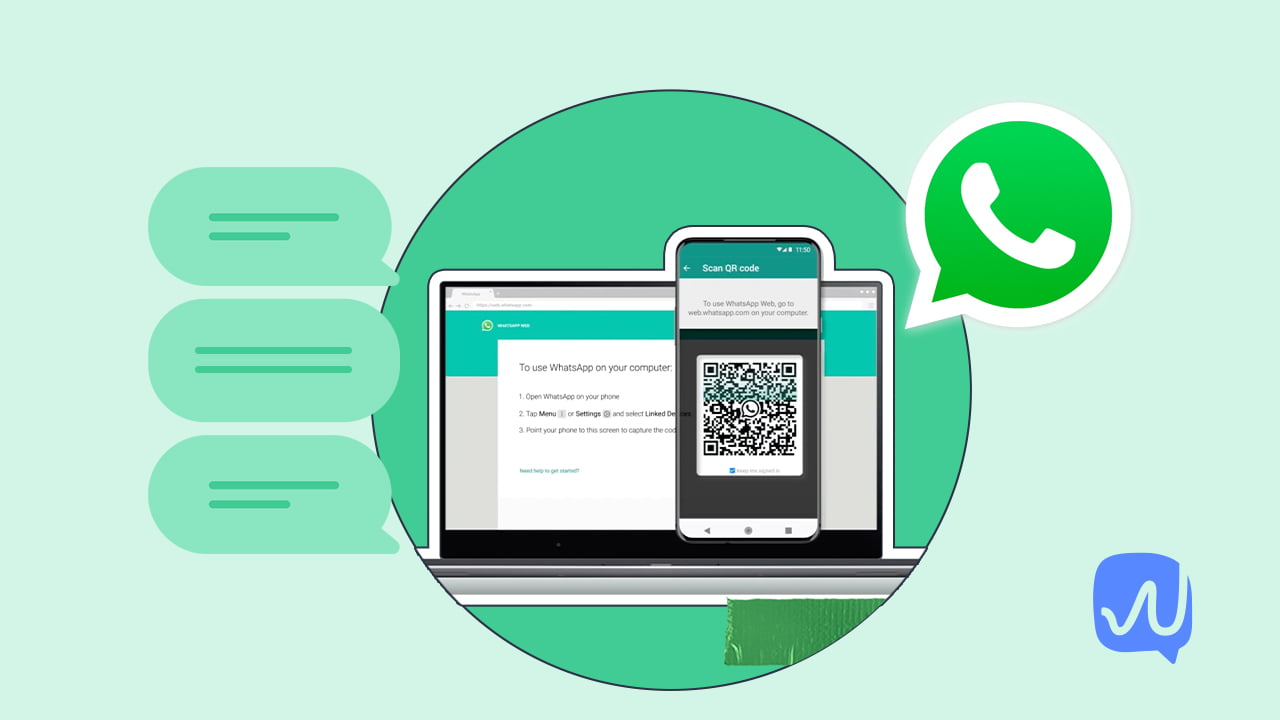
Practical reasons to try the web Phantom wallet
The phantom wallet web version is not just convenience; it’s a deliberate UX decision that shortens the path from landing page to owning an NFT. For collectors, that means fewer steps between discovery and purchase. For builders, it means higher conversion during drops and less customer support for “how do I connect?” I remember debugging a drop where half the users were stuck on an extension modal — very very frustrating — and switching to a web-based connection cut drop-time issues dramatically.
Security is always the question. Browser-based keys can be protected with hardware-backed cryptography and secure enclaves in modern browsers. That doesn’t make them bulletproof, though — phishing, clipboard attacks, and social engineering are still real threats. So here’s the balanced take: reduce friction, but increase contextual safeguards. Add transaction previews, domain verification, and easy ways to verify a signing request. Users should feel in control, not rushed into a click.
Developer perspective: web wallets simplify testing and demos. Deploy a staging dapp, share a link, and non-technical testers can interact immediately. That speeds iteration. Back in the day, getting a friend to test required a walkthrough on installing wallets and funding with test tokens — painful. Web wallets let you iterate in front of actual users fast, and that feedback loop is gold.
Marketplaces and creators also benefit. Imagine a creator posting to Twitter and saying, “Drop live — link in bio.” If the flow lands them on a web wallet-enabled page where they can connect and mint in under sixty seconds, conversion goes up. Oh, and by the way, analytics are cleaner. You can understand drop funnels without relying on extension detection hacks.
But there are real UX pitfalls. Too many prompts feel scammy. Users get desensitized to approvals and start clicking fast, which is dangerous. So product teams should design with friction where it helps — for large-value actions, add confirmation steps. For tiny mints, streamline the flow. Initially I thought a single universal pattern would work, but then I realized different actions need different levels of friction.
On the technical side, integrating with a web wallet is often as simple as supporting the wallet adapter protocol. That compatibility layer means dapps can switch wallets without rewriting the UX. It’s elegant, but developers must test across the ecosystem. Race conditions on confirmation, token metadata loading, and wallet state changes can still break flows. I’ve debugged racey mint UIs where the wallet connected but the UI thought it didn’t — messy, but solvable.
Community dynamics shift too. People are more likely to try a new collectible when their friend can share a link that opens in a browser and connects instantly. Social onboarding matters; it always has. There’s a cultural dimension here — creators who make low-friction experiences find broader audiences, not just crypto-native collectors. That part excites me, honestly.
I’ll be honest — some aspects bug me. Wallet discoverability is inconsistent across browsers, and support for features like hardware keys varies. The tooling around transaction history and clear token labeling could be better. I’m not 100% sure about long-term custody models for casual collectors; the user experience needs to include education without being preachy. Still, these are engineering problems, not insoluble obstacles.
FAQ
Is a browser wallet as secure as an extension?
It can be comparably secure if implemented with best practices: secure key storage, strict origin checks, and clear transaction prompts. But no system is perfect — teach users to verify domains and question unexpected requests.
Will web wallets replace extensions?
Not overnight. Extensions, hardware integrations, and mobile wallets each serve users differently. Web wallets add another, often more accessible option. On the whole, expect multiple modalities to coexist for a long time.
Are NFTs on Solana safer from scams using web wallets?
Scams are a social problem more than a technical one. Web wallets can reduce some friction that leads to mistakes, but education, better domain verification, and UX that highlights risks are crucial to lower scams.