Sweat And Alcohol: Sweating, Hangovers, & Alcohol Detox
The impact of alcohol on the endocrine system is evident in the sweating experienced by many individuals after consuming alcohol. Alcohol affects the nervous system and the body’s ability to regulate and sense body temperature, blood pressure, and heart activity. It can cause an increased heart rate and widened blood vessels in the skin, triggering perspiration. This can lead to night sweats, which are a common symptom of alcohol consumption and withdrawal. When caffeine enters your body, it blocks the action of adenosine, a neurotransmitter that helps regulate body temperature and other physiological processes.
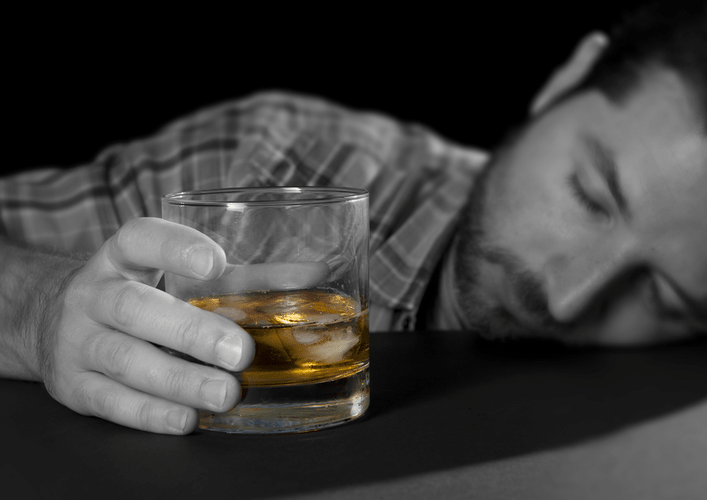
Night sweats linked to alcohol metabolism
For people who already experience night sweats, including those going through menopause, consuming alcohol can worsen the sweating. Alcohol night sweats occur when your body experiences excessive perspiration during sleep after consuming why does alcohol make you warm alcohol. This phenomenon is different from normal sweating and typically happens hours after drinking, often disrupting sleep quality and leaving sheets and clothing soaked by morning.
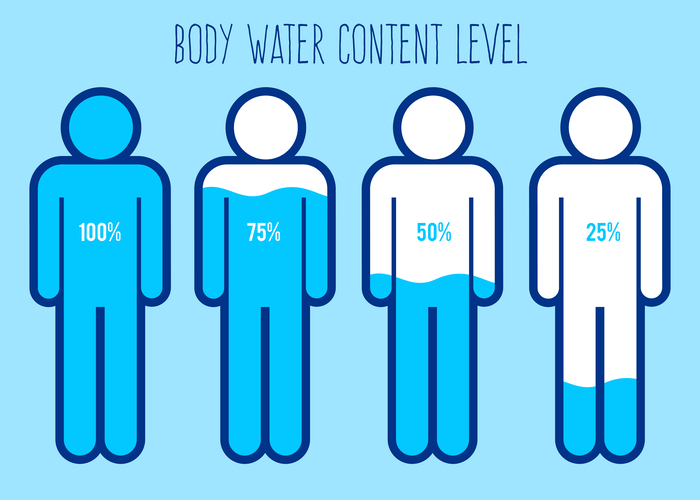
How Long Do You Sweat Out Alcohol?
Alcohol can overstimulate the sympathetic nervous system, leading to increased sweat gland activity. Alcohol is broken down into substances like acetaldehyde, which induces vasodilation and heat production. This metabolic activity increases the body’s core temperature, signaling the need to cool down through sweating. Severe alcohol withdrawal symptoms can result in delirium tremens (DTs). This is the most serious and life-threatening form of alcohol withdrawal that requires urgent medical attention. In rare cases, alcohol-induced night sweats may be a symptom of alcohol intolerance (a genetic condition).
How Alcohol Affects Body Temperature and Hydration
- You’ll meet millions of fellow Reframers in our 24/7 Forum chat and daily Zoom check-in meetings.
- This boosts circulation to the skin and raises your body temperature.
- Fever is another reason one might experience excessive sweating during sleep.
A person should speak with a doctor if these symptoms do not improve. Without diagnosis and treatment, it could lead to liver complications. People may not realize that because of this, they https://ecosoberhouse.com/ are at risk of hypothermia in cold weather.
Management and Treatment
Paradoxically, this can lead to both feeling too warm and sweating excessively as drug addiction the body tries to compensate for the lack of fluids. Dehydration also thickens the blood, making it harder for the body to distribute heat evenly, which can intensify night sweats. Consider setting limits on the number of drinks consumed per day or per week. Gradually reducing alcohol consumption can help your body adjust and potentially reduce the occurrence of night sweats.
What Causes You to Sweat While Drinking Alcohol?
- Another approach is to stay hydrated by drinking plenty of water before and after consuming coffee.
- The liver plays a vital role in filtering toxins from the body, and alcohol can disrupt its normal functioning.
- After an extended period of drinking, the brain and body learn to expect alcohol in its system.
In practice, cold drink acts as a heat sink 17, thus there is lower need for heat dissipation, and less sweating. It seems, in Figure 1, that the sweating rate at the peak point (3 min after drinking) is higher in 58°C water, but the difference was not statistically significant. Measuring whole body sweating and also forced hydration and higher intake of warm water would probably result in significant differences of sweat rate on this score. In people who are dependent upon alcohol, sweating at night after drinking is a result of the body going into withdrawal during the night. When a person is asleep and not consuming alcohol, the body begins to detox from alcohol, and withdrawal symptoms can appear within a few hours.